
Category: Domestic Violence
-

Coercive control is a dangerous, often invisible form of abuse that works behind the scenes to dominate and isolate victims. Unlike physical violence, its harm isn’t always seen—but it’s deeply felt. Through calculated manipulation, abusers chip away at their partner’s independence and self-worth, leaving them confused, intimidated, and trapped.
-

Many of us may find ourselves in a situation where we witness something that doesn’t feel right—whether it’s overhearing a troubling conversation or noticing signs of abuse in someone close to us. A bystander, as defined by Merriam-Webster, is someone who is present but not actively involved. But being a bystander doesn’t mean staying silent.
-

Victim blaming remains a deeply ingrained issue in our society, especially in the aftermath of domestic abuse. Survivors are often met not with support, but with judgment—forced to carry the weight of others’ assumptions alongside their own pain.
-

Abuse isn’t just about physical harm—it’s a calculated pattern of behavior meant to strip away power and control. At its core, the true damage is the loss of autonomy: the freedom to make choices without fear, pressure, or manipulation.
-
This article is focused on sharing helpful resources regarding domestic violence on a larger, national & international scale. In addition to spreading awareness about the common signs of abusive dynamics within our communities, this article also shares other important organizations with important initiatives designed to fight injustice directly.
-
A piece outlining the various forms of domestic violence and how to properly identify each of them. This post explains how physical violence can either have domestic roots, or can take place on a more institutional or systemic level, how it can be defined by who is being targeted by said abuse, and by the…
-
This blog post discusses the lasting impact of physical abuse on mental health. The article highlights the various ways physical abuse can affect a person’s mental well-being and can lead to the development of anxiety, depression, and even PTSD. This content also briefly overviews the most common coping mechanisms used by survivors of physical violence.
-
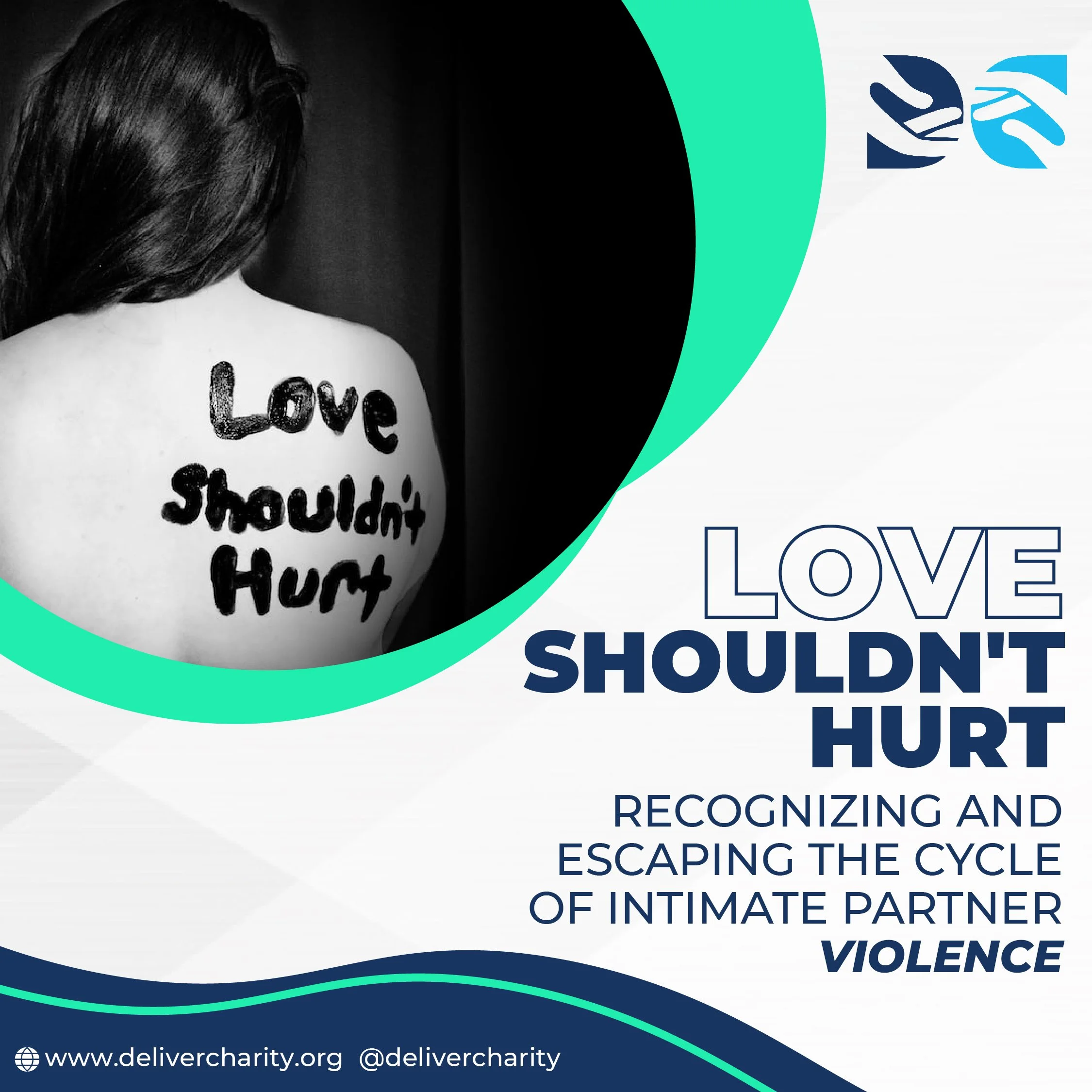
Love is a profound force meant to envelop us in comfort, joy, and unwavering support. Yet, amidst its beauty lies a darker reality for countless individuals worldwide.
-
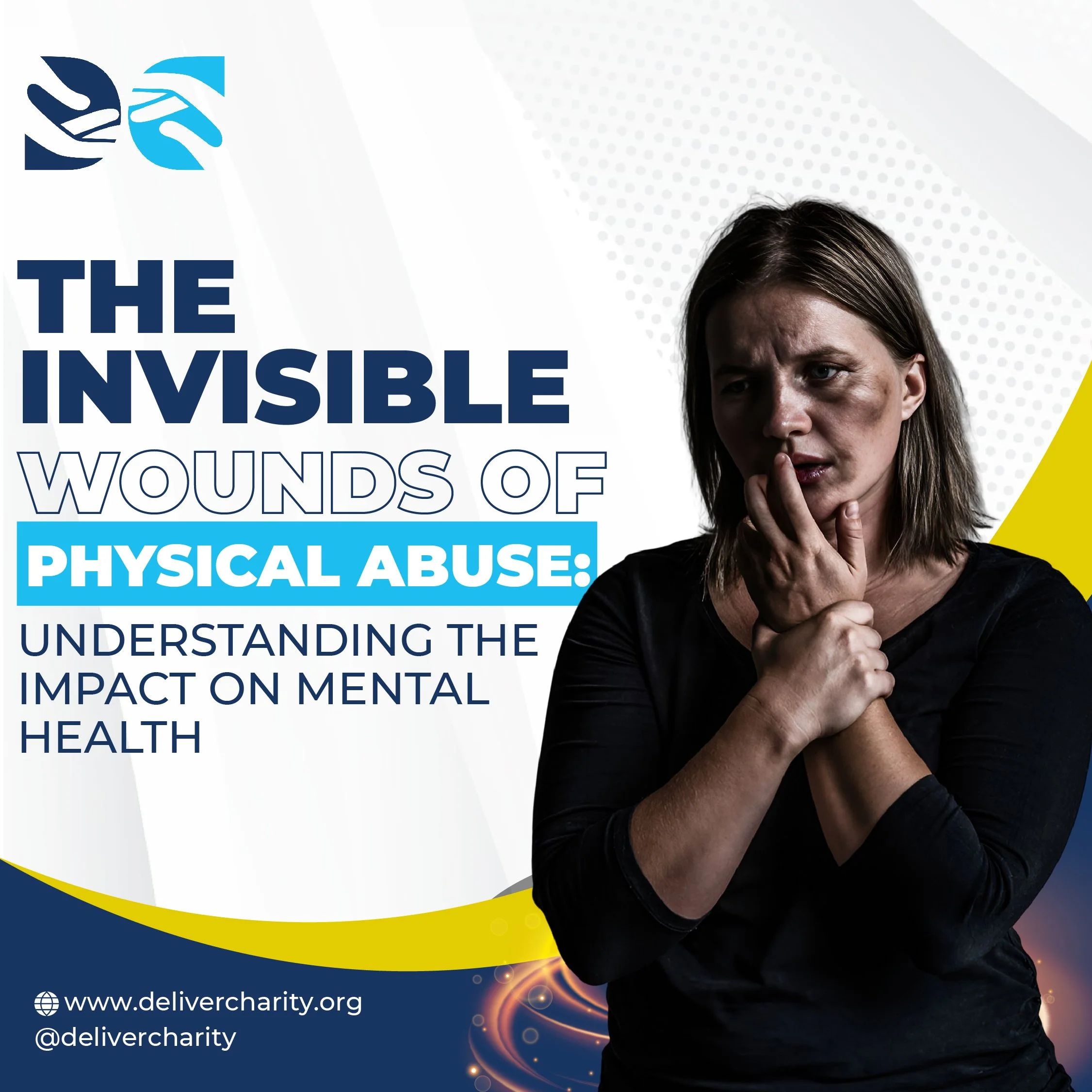
Physical abuse causes both visible wounds and enduring psychological scars, profoundly impacting mental health alongside physical harm.
-
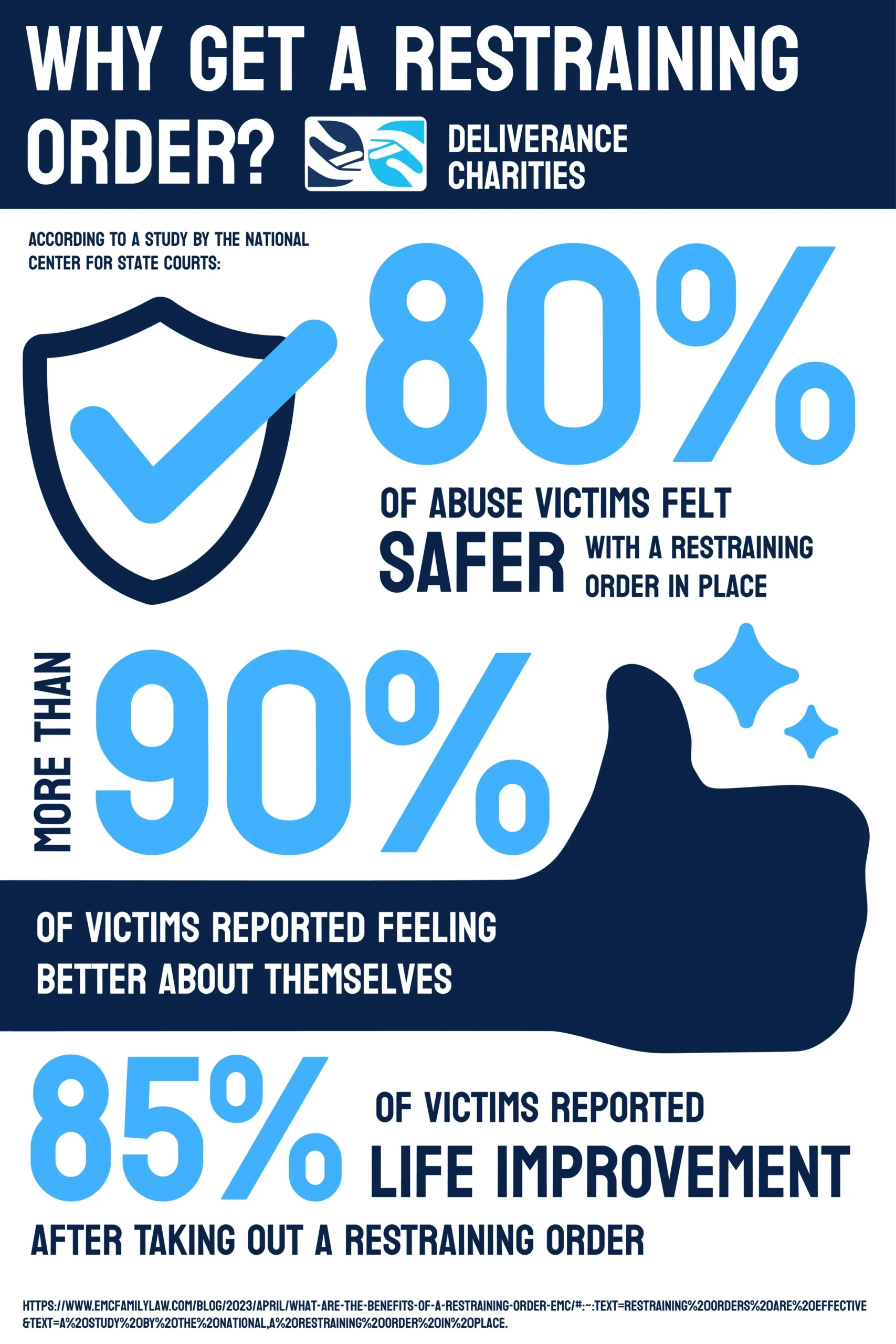
A restraining order is defined as a court-issued injunction to prevent harm, harassment, or domestic abuse. Its primary is to provide immediate safety and legal recourse for victims of abuse, stalking, or other forms of harassment. There are numerous people who can file restraining orders, from the victims themselves to parents or guardians if the…