Category: Economic
-

Rehabilitation in the criminal justice system sparks ongoing debate among experts and the public alike. While some argue that offenders don’t deserve second chances, others believe that once someone has served their time, they should have the opportunity to rebuild their lives. But what does rehabilitation really mean in this context?
-
This article is centered on sharing the importance of self-sufficiency programs available to the public from various sources, as well as directly from Deliverance Charities. In addition to stresses their importance, this blog also contains many great resources on how to find these programs.
-
This article focuses on sustainable, long-term solutions and strategies to eliminating the skills gap that permeates in most of today’s industries. This goal will, in turn, help to eradicate poverty, and has a specific emphasis on education, access to professional development, and community strengthening.
-
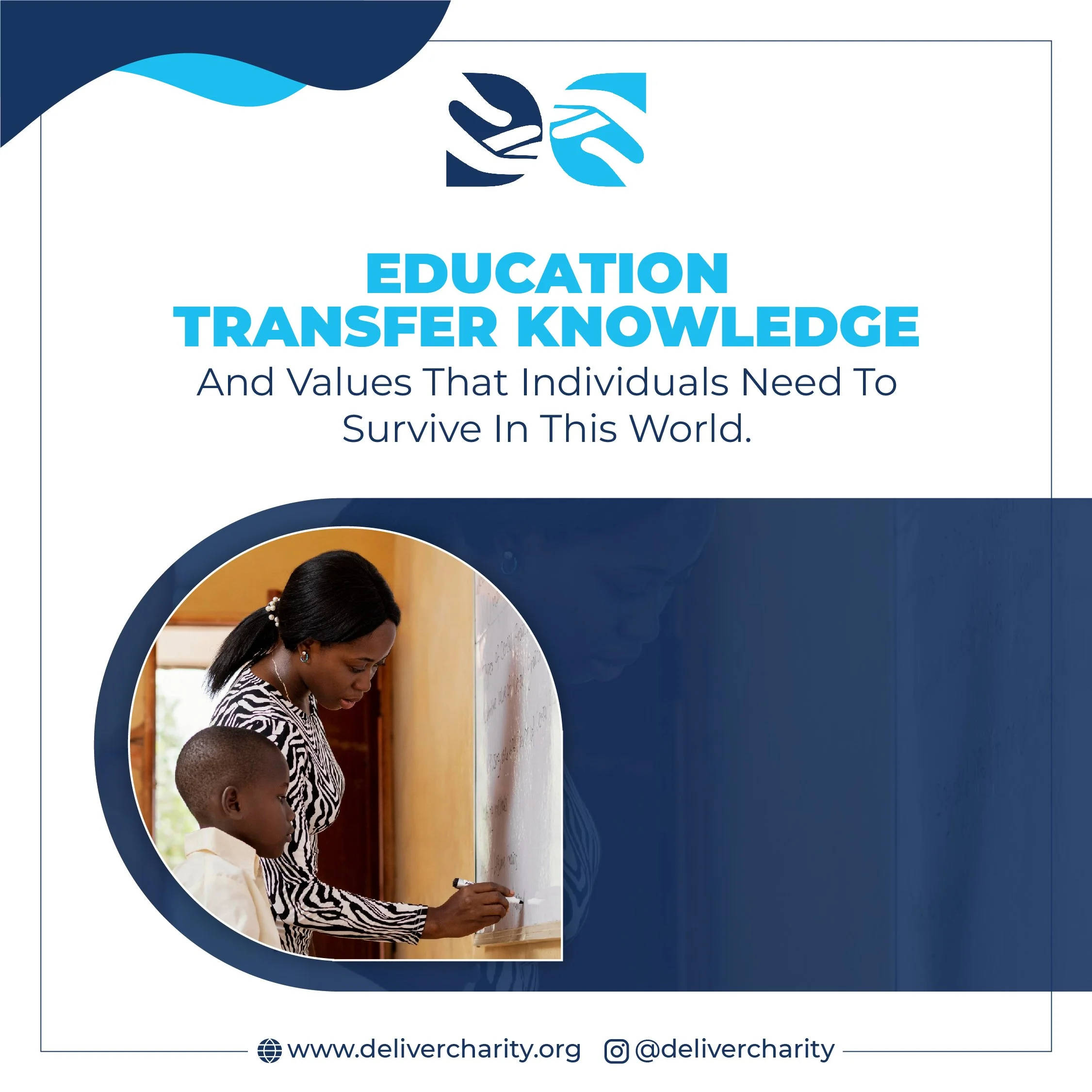
Quality education serves as an empowering force, equipping individuals with the skills needed to secure better livelihoods and unlocking a myriad of opportunities for prosperity. While education alone may not offer a panacea for poverty eradication, it undoubtedly stands as a cornerstone in the fight against extreme deprivation.
-

Economic growth and development stand as twin pillars shaping nations’ destinies, yet they diverge crucially. Growth denotes short-term production surges, while development heralds sustained societal well-being. Beyond capital, development encompasses shifts in resources, technology, and institutions, forging a complex landscape influenced by myriad factors.
-
Assessing a nation’s progress hinges on delving into its economic landscape, offering a window into prosperity or recession. While “growth” and “development” may seem interchangeable grammatically, this assumption often leads to the misconception that economic development and economic growth are synonymous. Let’s unravel this misconception to better understand the nuances of a nation’s economic trajectory.
-
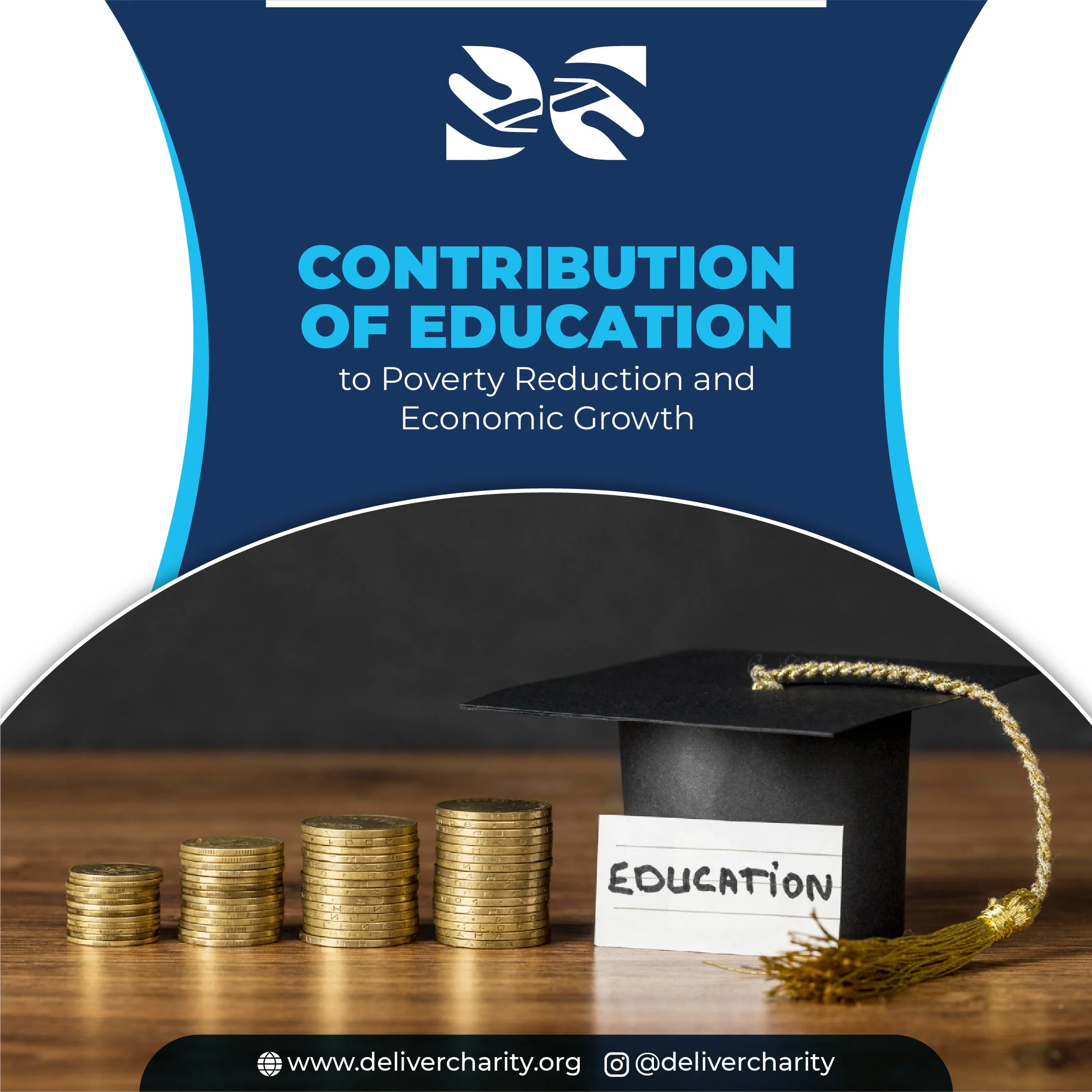
Education is considered one of the most crucial determinants of economic growth. Fundamentally, the long-run goals of education are socio-economic development, human capital development, and productivity.
-
![What Everyone Must Know About Skills Gap [Infographic]](https://delivercharity.org/wp-content/uploads/2023/01/281829.webp)
Understanding the widening skills gap, its effects, and the imperative measures for closure is essential for individuals, employers, and the nation as a whole.
-

Closing the skills gap is crucial for individuals and employers alike, as it is essential for personal and organizational success in today’s rapidly evolving workforce, necessitating continuous skill acquisition even for the most innovative individuals.
-
![Here’s Why Boomer Retirements Continues & the Skills Gap Widens [Infographic]](https://delivercharity.org/wp-content/uploads/2022/10/Deliver-Charity-Retiring-Boomers.webp)
The impending demographic changes in the United States, with approximately one-fifth of the population reaching 65 or older and an estimated 10,000 baby boomers retiring daily from 2011 to 2029, will significantly impact healthcare, social services, and the economy.