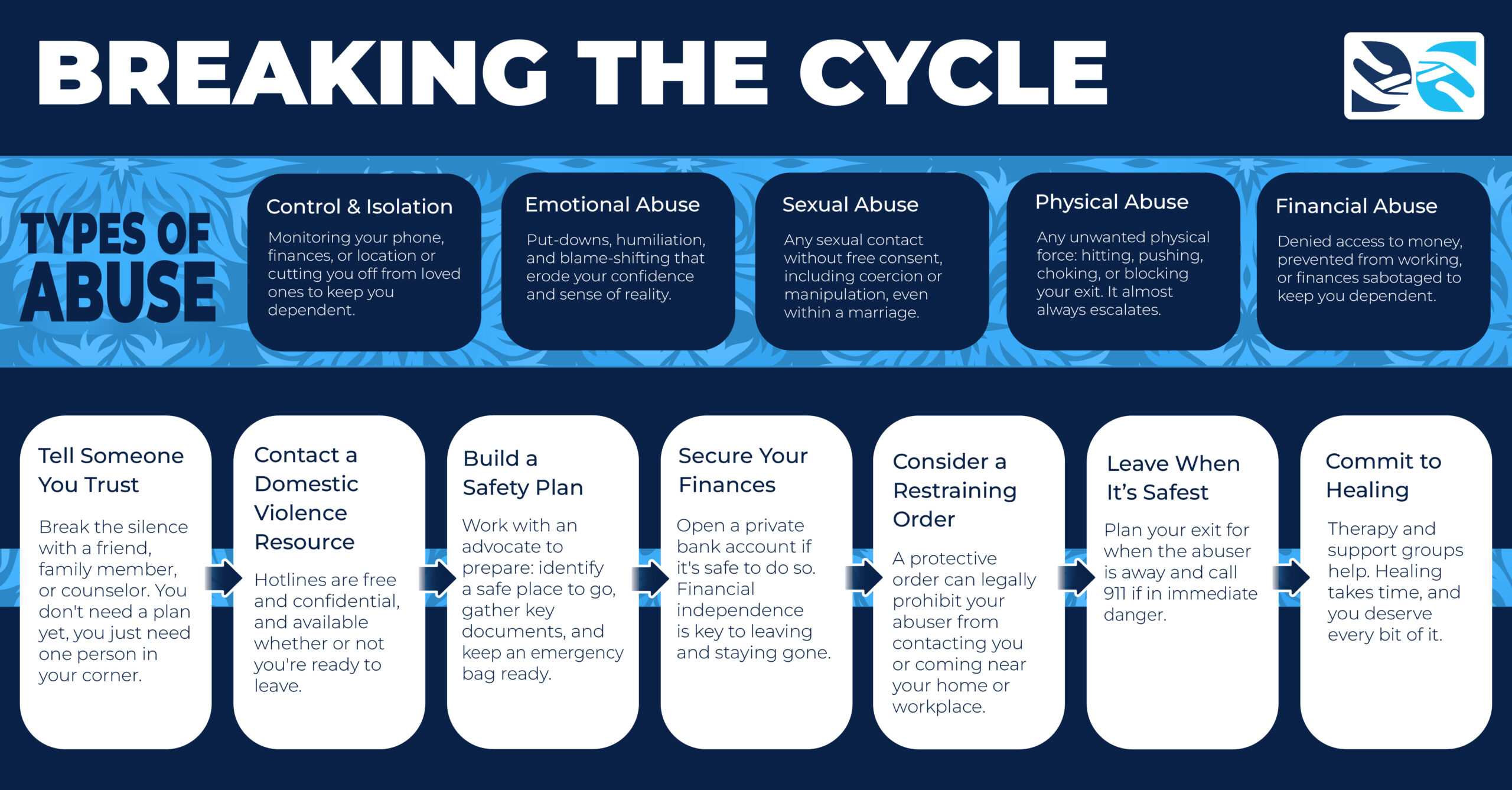
Domestic abuse can happen to anyone. Domestic violence encompasses physical, emotional, and sexual abuse within intimate relationships or family dynamics. Abuse often follows a recognizable cycle, which can make it difficult for victims to escape. Understanding this cycle is crucial to breaking free from it. The cycles of abuse are:
The 4 Stages of the Cycle of Abuse
Abuse usually happens within a defined cycle, and you might be familiar with the patterns if you are a victim of domestic violence. The cycles of abuse are:
- Tension Building – External stressors—such as work troubles, financial issues, fatigue, or illness—begin to mount. The abuser grows increasingly irritable, while the victim becomes anxious and hyper-vigilant, often going out of their way to appease the abuser in an attempt to prevent an outburst.
- The Incident – The abuser eventually releases this tension on others, seeking to regain power and control over them. Abuse may include insults or name-calling, threats of harm or destruction, sexual or physical violence, and emotional manipulation. They often blame the victim for their actions, reinforcing a sense of guilt and helplessness.
- Reconciliation – The abuser displays affection, remorse, or generosity, offering gifts, apologies, and promises of change. This period can create a false sense of hope that things will improve, reinforcing the victim’s attachment to the relationship.
- Calm – At this point, both parties come up with a reason or explanation to justify the abuse. The abuser may deny or minimize the incident, while the victim may begin to question their own memory or responsibility. The abuser shows plenty of remorse and assures you it won’t happen again. You begin to accept their excuses and even doubt your memory of the abuse. There is relief from the physical and emotional tensions and pains associated with this respite.
The cycle then repeats over time, and the length between each repetition may vary. You should note that cycles may vary even in the same relationship.
Breaking free from this cycle requires acknowledgment that it exists. Recognizing that the “honeymoon phase” is a tactic for regaining control is a crucial step toward seeking help. After that, you can seek help.
Abuse does not improve over time – it escalates. You do not have to wait for an emergency to seek help. The time to speak up is now if you are a victim of domestic violence. You can reach out to Deliverance Charities for support and help. Seeking help is the only way you can be free from several more abuses from your partner.
The Invisible Wounds of Physical Abuse: Understanding the Impact on Mental Health
People only see the bruises, cuts, and scars when it comes to physical abuse. No one really sees the invisible wounds the victim may be unable to express. Physical abuse leaves more than just visible injuries. While bruises and scars may heal, the emotional and psychological damage can be long-lasting.
What Constitutes Physical Abuse?
Physical abuse involves actions that intentionally cause harm and injury to a partner’s body to establish dominance over them. Physical abuse includes slapping, punching, kicking, choking, pushing, biting, and throwing objects.
The Consequences of Physical Abuse
- Physical Health – Immediate injuries like bruises, cuts, and fractures are evident, but long-term effects—such as hypertension, chronic pain, and heart disease—can be life-threatening.
- Mental Health – Victims of physical abuse often suffer from depression, anxiety, post-traumatic stress disorder (PTSD), substance abuse, and eating disorders.
- Daily Functioning – Many victims experience disrupted sleep patterns, chronic fatigue, and difficulty concentrating, affecting their ability to work or perform daily activities.
If you or someone close to you is a victim of domestic violence, please call for help. You can contact the National Domestic Violence Hotline at 800-799-7233 for support.
From Victim to Survivor: Overcoming the Trauma of Sexual Abuse
Sexual abuse is one of the most devastating forms of violence, leaving deep psychological wounds that extend far beyond physical injuries. The trauma of getting sexually abused can be shattering, leaving the victim scared, ashamed, and plagued with nightmares and unpleasant memories. You may blame yourself and see yourself as dirty or damaged.

Transformation and Healing:
The journey towards healing and transformation post-escape is multilayered. It involves embracing the process of recovery, seeking professional help when necessary, and redefining a new path forward.
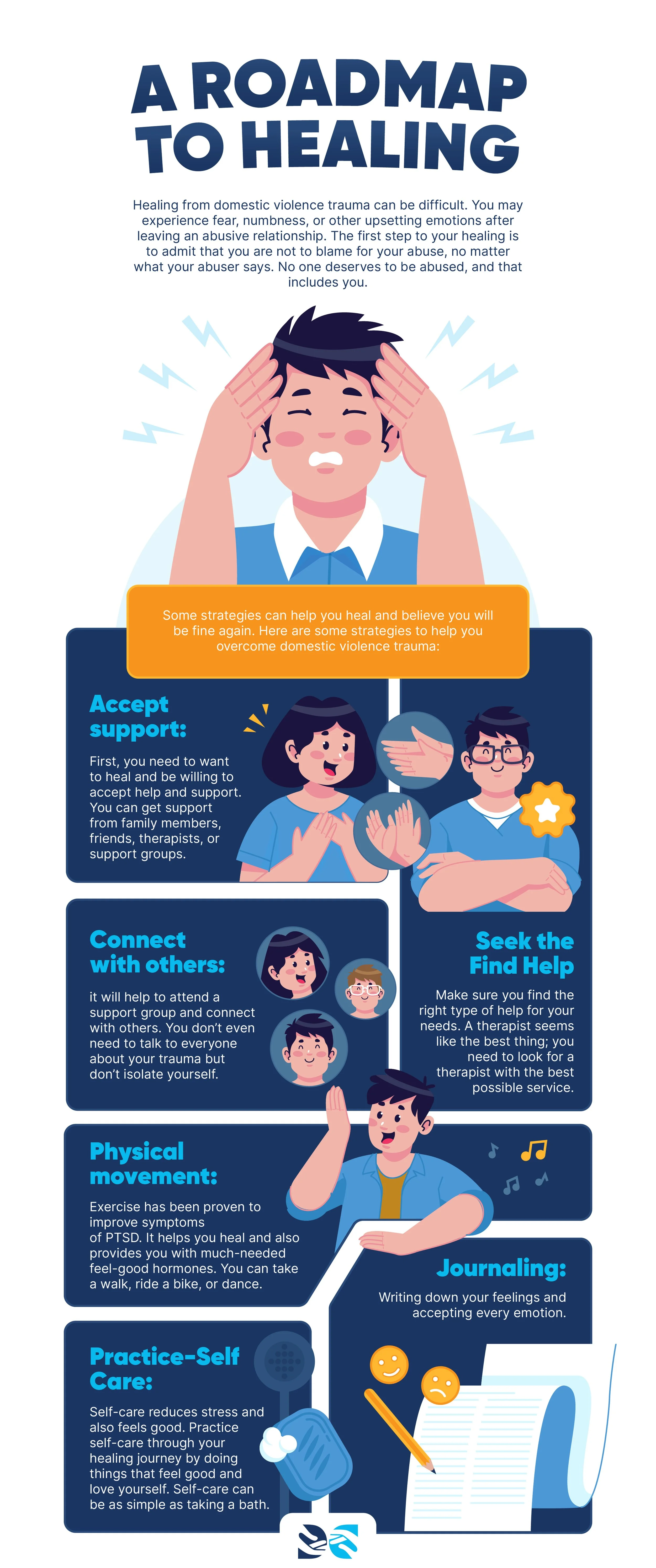
Survivors often experience shame, fear, and self-blame, but healing is possible. Healing steps that can be taken include:
- Seeking Professional Support – Regardless of the amount of time that has passed, you may need a mental health professional to assist you and support you in coping with the traumas. A therapist will help you deal with your feelings, identify new coping skills, and manage stress.
- Practicing Self-Care – Self-care is a vital part of the healing process for many survivors of sexual abuse. Self-care can be any activity that helps you feel safer, comfortable, and healthy. Self-care activities can be as little as stretching, bathing, or taking a deep breath. They can also be more challenging activities like running, taking a walk, cleaning up your space, etc. To learn more about self-care for sexual abuse victims, you can click here.
- Finding a Support Group – A support group is another option for dealing with sexual abuse traumas. Support groups allow you to connect with other survivors of sexual abuse and assure you that you are not alone.
Asking for help is a sign of strength, not weakness. Speaking out will help you heal from traumas associated with sexual abuse. If you don’t know who to talk to, contact Deliverance Charities today; we are always ready to help you.
From Surviving to Thriving: How Trauma-Informed Care Can Help Domestic Violence Survivors Heal
Victims of domestic violence are survivors of traumatic experiences. Someone you love hurting you can be devastating, and getting over the trauma can be difficult. Trauma-informed care is the best approach for effective work with victims of domestic violence. Trauma-informed care aims to provide services that build safety, trustworthiness, choice, collaboration, and empowerment.
What Is Trauma-Informed Care?
Trauma-informed care recognizes how trauma affects the victim’s emotions and physical, behavioral, and mental well-being. All experiences and needs of the victims are valued in trauma-informed care. The core principle of this care is to ensure that the victims feel physically and psychologically safe. It also helps the victim make transparent decisions and build and maintain trust. Trauma-informed care provides peer support where individuals with shared experiences are integrated into the system. Victims feel empowered at the end of the program.
Adopting trauma-informed care can improve patient engagement, treatment adherence, and overall well-being.
Therapies Used in Trauma-Informed Care
- Cognitive Behavioral Therapy (CBT)
- Prolonged Exposure Therapy (PE)
- Cognitive Processing Therapy (CPT)
- Trauma-Focused Cognitive Behavioral Therapy (TF-CBT)
Learn more about the different types of therapies available for trauma here.
The Insidious Nature of Coercive Control: Recognizing the Signs and Seeking Help
Domestic abuse is not always physical; sometimes, coercive control can be subtle and hard to identify. Insults, manipulation, and intimidation are all forms of coercive control. It involves the use of force to harm, punish, or frighten a victim through assault, threats, humiliation, intimidation, or other types of abuse. Controlling behavior aims to make the victim dependent by isolating them from support, exploiting them, denying them independence, and regulating their daily lives. Coercive control creates invisible chains and a sense of fear that permeates all elements of a victim’s life.
Any pattern of oppressive, dominating behavior that uses harm to manipulate the victim’s feelings, thoughts, and actions can be considered coercive control. It is often through emotional abuse but can also involve using physical force.
Common Signs of Coercive Control
- Isolating you from friends and family
- Depriving you of basic needs like food
- Monitoring your time, phone calls and online activity
- Using online communication tools or spyware to monitor you
- Taking control of every aspect of your everyday life, like where you can go, who you can see, what you can wear, etc.
- Depriving you of access to support services like medical services
- Emotional degradation, name-calling, and repeated put-downs
- Humiliating, degrading, or dehumanizing you
- Controlling your finances
- Making threats or intimidating you.
- Fabricating lies about you to others
- Monitoring all your phone calls
- Convincing you your family hates you
- Name-calling
- Making jealous accusations
If your partner exhibits most of the signs here, you need to seek help. Regardless of the history you have with your partner. You don’t deserve to be treated like this, and here are a few steps to guide you to seek help:
- Have a safety plan
- Maintain communication with your support systems whenever possible
- Practice how to get out safely often
- Call a domestic violence hotline regularly
Beyond Empathy: How Emotional Support Can Help Domestic Violence Survivors Heal
Experiencing domestic violence is traumatic, and survivors of domestic abuse need support to heal. They should be able to depend on others for support as they process complex emotions. Emotional support can come in many forms, whether it’s a friend listening on the phone or simply being there in a moment of distress.
How to Support Survivors of Domestic Violence
If you know anyone who is a survivor of domestic violence, here are some ways you can offer emotional support:

- Acknowledge their bravery in speaking out and validate their experiences
- Avoid judging or criticizing their decisions
- Refrain from speaking negatively about their abusive partner, as this may cause additional emotional distress (H4)
- Be patient and understanding when they feel lonely, upset, or afraid
- Offer to accompany them to legal or support services for moral support
- Listen actively, allowing them to feel heard and seen
Emotional support helps them minimize negative beliefs. The survivor feels connected and doesn’t feel alone. With the right support, they can overcome feelings of anger, resentment, guilt, or sadness.
Ending Victim Blaming in Domestic Violence Cases: What You Need to Know
Victim blaming is one of the major reasons victims of domestic violence find it difficult to speak out. Victim blaming places the blame of the abuse on the victim while absolving the perpetrator from guilt or fault.
Victim blaming is harmful as it marginalizes the victim and makes it difficult to speak up about the abuse. It also reinforces the manipulative tactics that abusers use to control their partners. With victim-blaming, society allows abusive people to perpetrate violence while avoiding accountability for their actions. Victim blaming has to stop now, and here are some ways to end it:
- Challenge victim-blaming statements when you hear them
- Do not agree with abusers’ excuses for the reason they abuse you
- Remind survivors that the abuse was never their fault
- Hold abusers accountable for their actions; do not let them blame it on external factors like the victim, alcohol, or drugs
- Recognize and challenge common misconceptions that shift accountability away from the abuser
- Always support victims of domestic violence
By dismantling victim-blaming attitudes, we can create a society where survivors feel safe to speak up and seek justice.
Overcoming the scars left by IPV, both visible and internal, requires immense courage and support. Despite the daunting nature of this process, numerous stories of resilience and hope serve as beacons of inspiration. Survivors who have navigated this tumultuous journey have emerged stronger, advocating for change and lending their experiences to empower others on a similar path.
In conclusion, the cycle of Intimate Partner Violence is a pervasive societal issue demanding recognition, understanding, and collective action. By shedding light on its various facets, this exploration aimed to offer guidance, support, and hope to those affected. Raising awareness, breaking the silence, and providing unequivocal support to survivors remain integral in combating IPV. It’s a collective responsibility to foster healthy relationships and advocate for a world where love indeed doesn’t hurt. The journey towards unchaining love from the grip of Intimate Partner Violence is arduous but not insurmountable. With empathy, education, and proactive measures, we can pave the way for a future free from the chains of abuse and violence.
How to Break Free from the Emotional Abuse Cycle: A Step-by-Step Guide
Emotional abuse is painful and confusing, and most people experiencing it find it difficult to leave. Emotional abuse can be difficult to discern, and you need to know the signs to know you’re being abused. An emotional abuser exercises control over another person to bring about negative emotions in them. Long-term emotional abuse can lead to low self-esteem and low self-worth. The victim believes it’s their fault, which makes it harder to break the emotional abuse cycle.
Emotional abuse involves manipulation, bullying, gaslighting, shaming, intimidation, criticism, and verbal abuse. The emotional abuse cycle is similar to that of physical abuse.
Here are signs to help you know you are being abused emotionally:
- Your deepest secrets are used against you
- You are isolated from others
- They disrespect you
- They text you constantly like they are checking on you
- No responsibility is taken for their actions
- Making you feel bad about having friends, even those of the same gender
- You have to stay on your toes because they are unpredictable
- To gain sympathy, they talk behind your back about you
- They have entitlement issues
- They feel sorry for themselves
You can reclaim your life from the emotional abuse cycle by following these steps:
- Recognize the cycle of abuse and admit it
- Think about how the abuse impacts you
- Reach out to family and friends
- Make plans to leave your abuser
- Prioritize yourself
- Work on your self-confidence
- Set boundaries with your abuser
Breaking free from emotional abuse takes courage and support. While emotional scars may not fade overnight, professional help and self-empowerment can guide you toward a healthier, happier future.
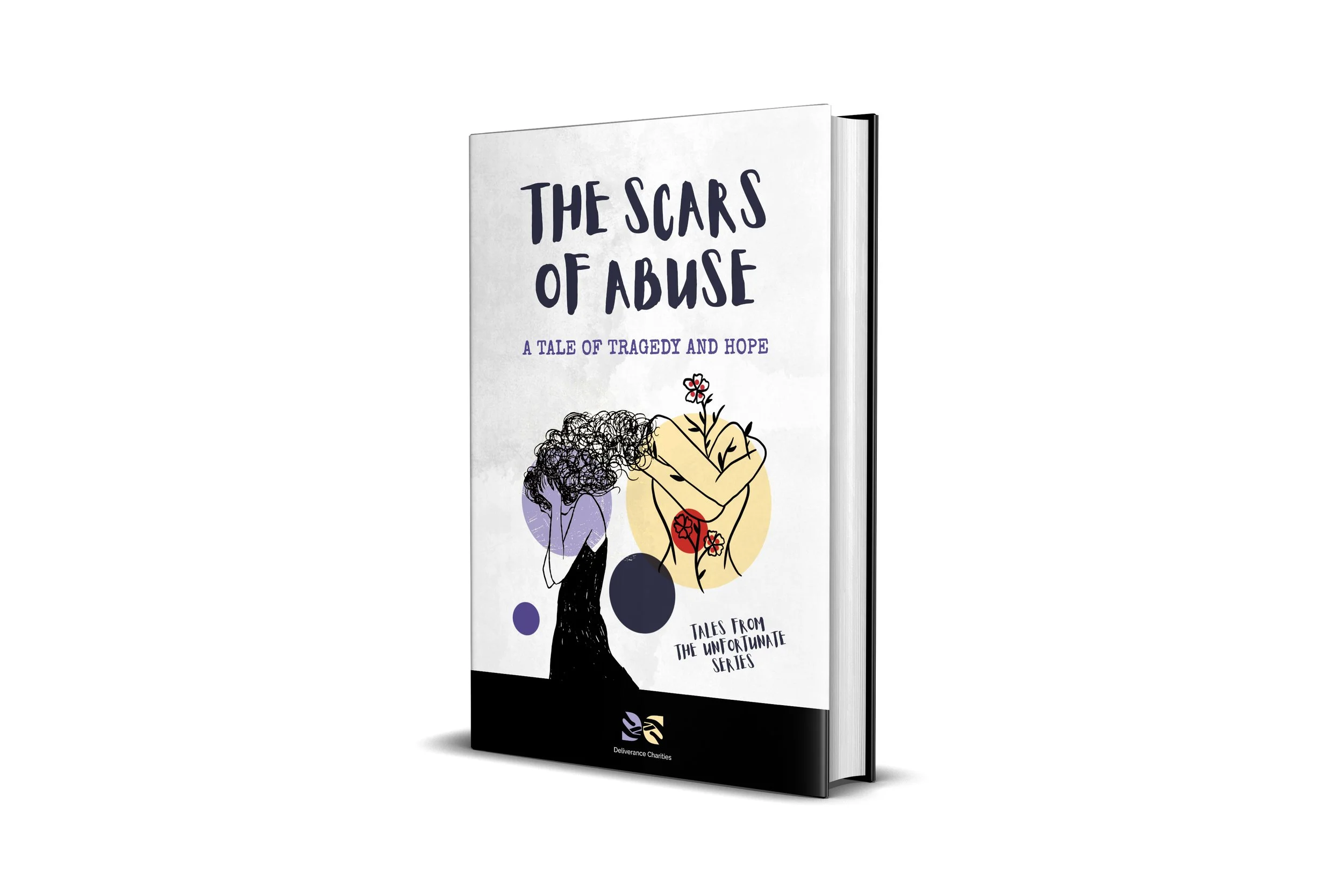
Abusive patterns are difficult to change, and the emotional scars won’t disappear, so seeking help is important. Get our book, The Scars of Abuse, to get the confidence to break free of the never-ending cycle of abuse and take charge of your life again. Get your copy here.
Break the Silence, Break the Cycle: Surviving and Thriving After Abuse.
A gripping tale of survival and resilience unfolds, but will Alicia find the strength to defy her oppressor and forge a new path to freedom?
Found this resource useful? Why not discover more of what Deliverance Charities has to offer.
Access content related to navigating some of life’s toughest challenges, take a mental health break with an article about guided meditation, or read free stories about individuals who have overcome hardship.
Have a story you’d like to share? Reach out to us at questions@delivercharity.org.
Ready to help Deliverance make a difference? Donate here or become a volunteer.
FAQs
Yes there are. You can text BEGIN to 88788 if you don’t feel comfortable speaking to anyone at the moment. There are also local establishments willing to help like Women in Distress, who help domestic violence survivors who need support and transformation. Located in Lighthouse Point, Florida.
The good thing about therapy is that it comes in all forms, so if the 4 mentioned techniques don’t fit you, there are numerous others that might. Around a dozen different techniques are mentioned in this article from Palo Alto University.
There are methods and strategies to help someone overcome a substance addiction, both locally and online. Lakeview Health in Florida is a drug and alcohol rehabilitation center and the ThriveNow Recovery Centers provide numerous treatment options for various addictions.
No, it is absolutely not and if anyone ever tries to tell you that it is, they are lying to you. The Maryland Network Against Domestic Violence discusses abuse, who can cause it and how you can get away from it in this article, which we encourage you to read if you want more information regarding domestic violence.
It is understandable to think that before you’ve started your journey or even early into your journey, but you will certainly never be okay if you continue to stay in an abusive situation. No matter what you might be confronted with on your path towards growth, it will not be worse than what you have already suffered through. The One Love Foundation, a nonprofit organization dedicated to ending relationship abuse, published a letter an abuse survivor wrote to themselves after they walked away from their abusive relationship and we recommend giving it a read, as it may encapsulate some of the thoughts you might have regarding your potential success.
Leave a Reply