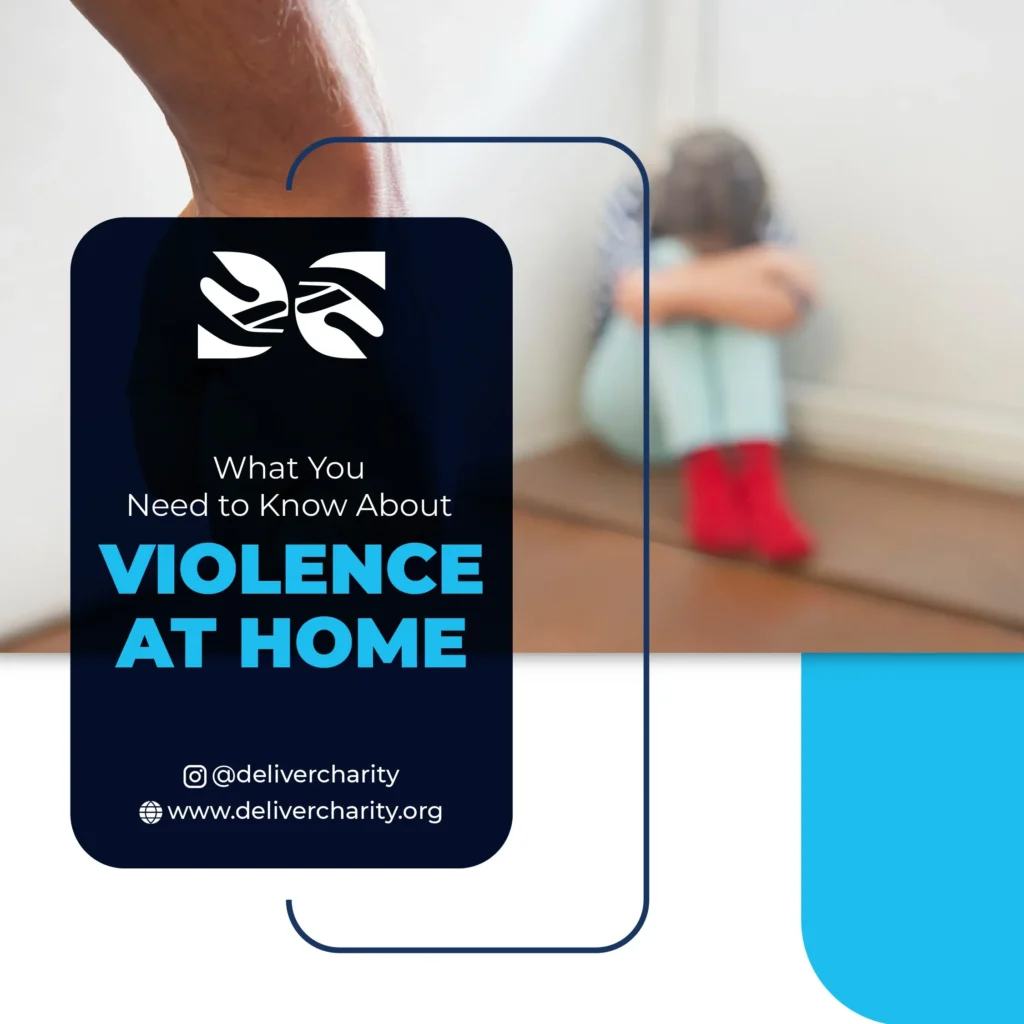
Domestic violence can be difficult to talk about or accept, with many survivors hesitating to label their experiences due to self-blame or their hope things will improve. But being able to acknowledge that your relationship has become unsafe or unhealthy is essential to protecting your well-being. This article outlines 9 warning signs for domestic violence as well as unhealthy relationship signs and symptoms to raise awareness and empower people to find a way out.
Common Reasons for Domestic Violence in Relationships:
1. Mental Problems
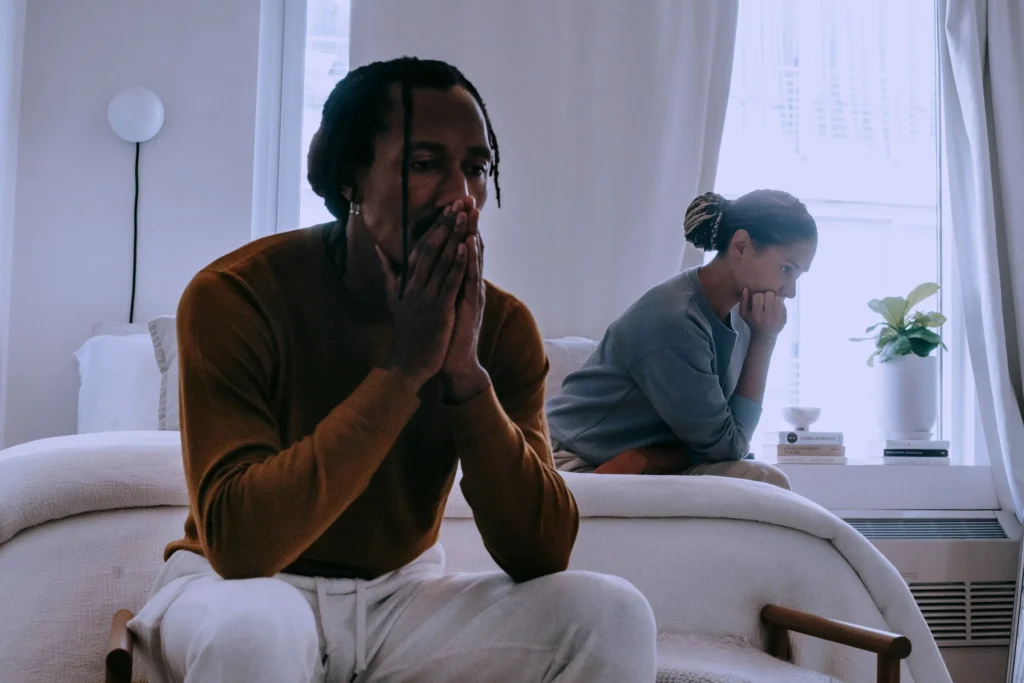
Mental health can play a role in domestic abuse for both perpetrators and survivors. While mental illness does not cause abuse, conditions like substance use and certain personality disorders may increase the risk of violent behavior, while survivors often experience anxiety, PTSD, and depression.
2. Poverty and Unemployment
Financial instability, or being unable to hold onto a steady job can increase stress and make it harder to leave an abusive situation. Furthermore, in relationships where the man experienced a period of unemployment, the risk for domestic violence increased with each subsequent period.
3. Lack of Education
A recent study has shown that higher levels of men’s education significantly reduce physical, emotional, and economic abuse, while lowering the likelihood of other harmful behaviors. The results suggest that men’s education itself has a protective effect against domestic violence, likely by shifting attitudes and behaviors within relationships.
4. Being Young Parents
Becoming a young parent can bring intense stress, which may lead to anger, frustration, and depression. Without healthy communication, these emotions can escalate into conflict or abuse, especially when combined with financial strain, isolation, or rushed relationships. Domestic violence may begin during pregnancy and can harm both partners and the child’s development.
5. Inability to Move on from a Past Relationship
The unwillingness of a partner to let a relationship go can sometimes lead to increased violence – and the closer the relationship is to ending, the worse it can get. This thought process is a dangerous distortion of reality that abusers use to justify their coercion and their desperate attempt to keep control. That makes the period right before separation a critical time to seek support and resources.
6. Historical Factors
Being in a relationship with someone who still holds onto the outdated mentality that women are property and should be treated as such instead of intellectual and emotional equals to men is an unhealthy relationship sign. It can result in domestic violence when an abuser thinks his partner has stepped out of line or believes they are worth more than the abuser does.
7. Cultural Factors
Cultural differences can enrich relationships but may also create conflict when beliefs about roles, faith, or conflict differ. In some cases, harmful behaviors may be justified through religious or cultural norms, increasing the risk of abuse. When one partner accepts violence as normal and the other does not, it can be a serious warning sign.
8. Alcoholism
Domestic violence can both be caused by and lead to the abuse of alcohol and drugs. Alcoholism can make people fall into bad habits as well as keep them from rising out of them, and if it isn’t treated in time, it can make the alcoholic partner believe that they have the ability to keep the relationship going by being in charge of it. Alcohol increases aggression, leads to an excuse mechanism (blaming the abusive behavior on the alcohol itself), heightens the chances of violence, and is one of the strongest unhealthy relationship signs one can find.
9. Suspicion of Cheating
Healthy relationships rely on trust and respect, and when either is threatened, fear and insecurity can escalate into abusive behavior. Abusers may use accusations of infidelity to control or isolate their partner, or act out of jealousy, abandonment fears, or low self-worth. While suspicion of cheating is sometimes cited as a trigger, it never justifies abuse or makes the survivor responsible for it.
What To Do Once You’ve Identified Warning Signs for Domestic Violence
No matter the form of abuse, it’s important to remember that you are not alone, not to blame, and that help is available. Unhealthy relationship signs can be subtle or obvious-historical factors may not be as apparent as being young parents or suffering from alcoholism-but if someone is not right for you or is making you feel unsafe there are warning signs to look out for. And if you feel like you have to take further action, you can read our article about how you can file a restraining order. While leaving may feel overwhelming, there are many resources and people ready to support you. Taking the first step can lead to safety and the chance to rebuild a happier, healthier life.
Have a story you’d like to share? Reach out to us at questions@delivercharity.org.
Found this resource useful? Why not discover more of what Deliverance Charities has to offer?
Access content related to navigating some of life’s toughest challenges, take a mental health break with an article about guided meditation, or read free stories about individuals who have overcome hardship.
There is a National Domestic Violence Hotline that can be reached at 800-799-7233 or by texting BEGIN to 88788. They can provide resources specific to the state you live in to assist you with identifying unhealthy relationship signs and the symptoms of domestic abuse.
Everyone deserves help– it’s that simple. It can be scary to reach out, but you can’t make progress without taking that first step. It is okay to feel scared when it comes to getting help, but sometimes fear can be the motivation you need.
There are numerous resources available to you, beyond those listed in this article. If one doesn’t work for you, don’t be afraid to try another. There is no single method of solving complicated problems like these, and it is totally normal for it to take some time. Remember that any small step forward is still forward progress.
Unfortunately, yes. Domestic violence comes in many forms and can vary in frequency and consistency. If you believe you are seeing signs of it in your relationship, trust your gut. Reach out for help.
First, and most importantly, make sure they feel safe and supported. Offer solutions, but don’t pressure them; getting out of an abusive relationship can take time. You can also speak to someone who can help at the National Domestic Violence Hotline by calling at 800-799-7233 or texting BEGIN to 88788.
Uncovering the Beauty in Pain of Alicia
Can she summon the courage to break free from the chains of oppression and resurrect the essence of the woman she once knew?
Ready to help Deliverance make a difference? Donate here or become a volunteer.
Leave a Reply